


Is This The Future Of Indonesian Combat Sports
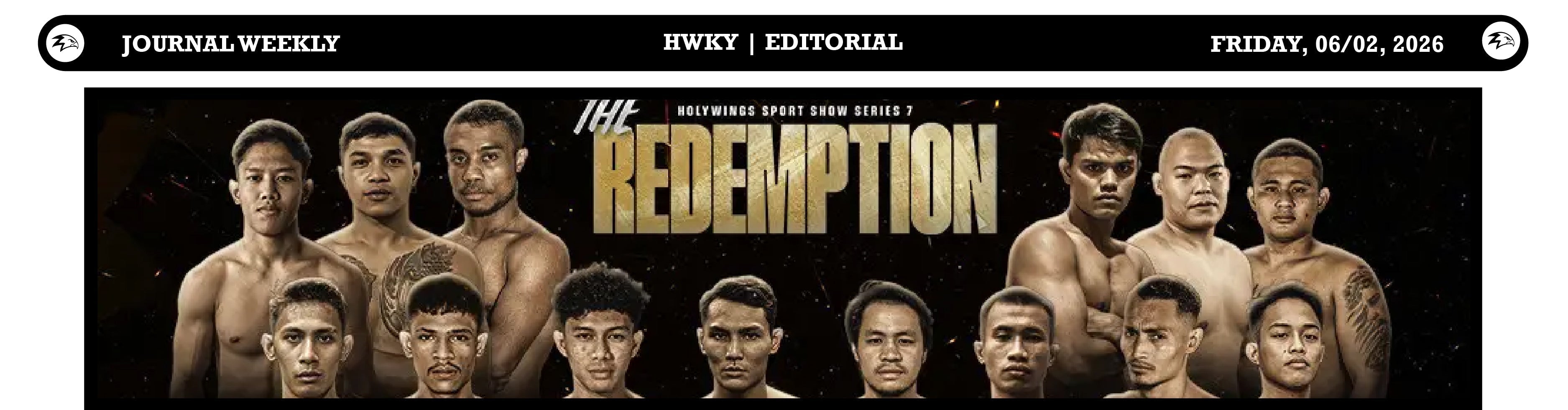
HSS Series 7 ended with the exact result many people predicted long before the bell rang. Rudy “Golden Boy” beat Paris Pernandes again. Different rules. Same outcome. Five rounds of kickboxing showed the same gap everyone already suspected would appear once legs were allowed. Rudy stayed calm, used range, mixed kicks and hands, and walked out with a clean unanimous decision. Another clear win. Another reminder that skill still matters more than hype.
But here’s the uncomfortable question: did people actually care?
The rematch carried tension on paper. CEO versus CEO. Personal pride. A second chance after a first fight that bored a lot of viewers with clinching and drama. Yet the atmosphere felt different this time. Many fans had already written the ending in their heads. Paris stepping into kickboxing against a fighter with a stronger background in that discipline made the result feel predictable. Even before the event, conversations weren’t about who would win. They were about how long it would take for Rudy to control the fight.
That kind of expectation drains excitement. Combat sports live on uncertainty. When the audience believes the ending is fixed by logic rather than competition, emotional investment drops. The fight delivered cleaner action compared to their first meeting, but the storyline felt exhausted. Two big personalities. Same narrative. Same outcome.
Then there’s the “Clan KK” situation. KKahje and KK Ungke once carried strong attention because of rivalries and loud personalities. Now, fan reactions feel colder. KKahje entered with losses piling up. Ungke came in chasing redemption after a defeat in another promotion. Instead of anticipation, the tone online leaned toward fatigue. People know the names. They know the drama. But the spark isn’t the same. Overexposure without fresh development turns familiar faces into background noise.
Yahya versus Ungke actually held more genuine tension. Bad blood stretching back years tends to create real stakes. That type of narrative still works because it feels unresolved rather than recycled. Meanwhile, influencer bouts like Edy Boxing versus Calisrox filled space on the card but didn’t carry competitive urgency. They attract clicks. They don’t always build respect for the sport itself.
And then comes the issue that keeps dragging the scene backward: judging and officiating. Indonesian combat sports continue to struggle with credibility. Controversies in recent promotions have fueled frustration about inconsistent refereeing and scoring decisions. Disputes between organizations and rule bodies add confusion instead of stability. Fighters complain. Fans argue. Promoters defend themselves. Nobody leaves satisfied. When officiating becomes a storyline bigger than the fighters, trust erodes quickly.
Promotions across the country, from influencer-driven shows to more traditional fight nights, face another growing problem: repetition. Similar matchups. Similar marketing angles. Similar social media theatrics. Fans have started recognizing the formula. The trash talk. The staged confrontations. The predictable rematches. It worked at first because it felt new. Now it risks becoming parody.
That doesn’t mean the scene is dying. Far from it. Events like HSS still draw attention, and the number of athletes entering combat sports continues to grow. Promotions bring production value, streaming access, and commercial reach that didn’t exist a decade ago. Younger audiences still tune in. Fighters still get opportunities.
But evolution is necessary. Fresh matchmaking. Clear rule enforcement. Investment in athlete development rather than influencer drama alone. Real competition must return to the center of the product.
Rudy’s dominant win over Paris shows one truth clearly: skill and preparation remain the backbone of combat sports. The bigger question is whether the promotions surrounding those athletes are ready to evolve alongside them. If Indonesian combat sports want a stronger future, they need more than familiar faces and recycled rivalries. They need authenticity, structure, and new ideas that make people care again.


Leave a comment
This site is protected by hCaptcha and the hCaptcha Privacy Policy and Terms of Service apply.